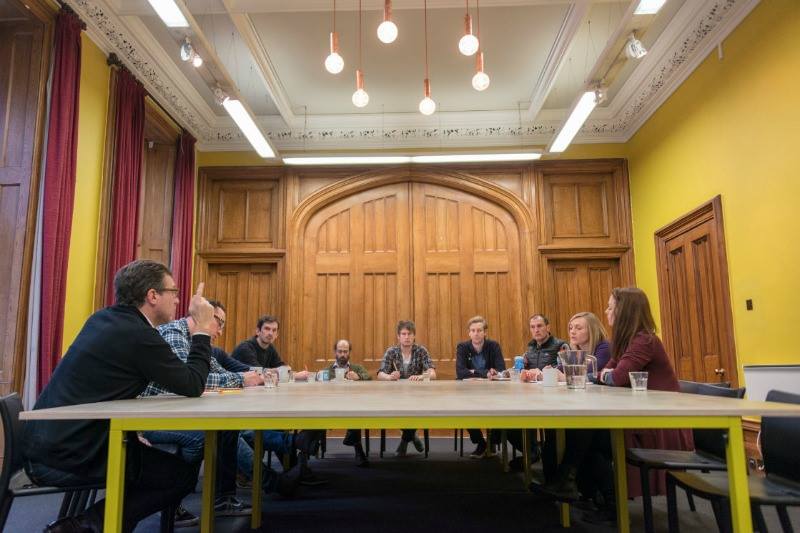
There is a specific smell to a tech incubator in mid-winter. It is a mix of overpriced espresso, ozone from overheating MacBooks, and the faint, lingering scent of ambitious people who have not slept in 48 hours. For me, that smell will always be synonymous with The Engine Shed in Bristol. With the news that this iconic hub is set to close its doors in December 2026, I have found myself spiralling back to 2013, the year my life changed because of a few beers, a web form, and a massive leap of faith.
The pitch I did not prepare for
The story of my company did not start in a boardroom, it started in a pub. In late 2013, I stumbled across an application for “Webstart Bristol” – a program that felt like the Bristolian lovechild of Dragon’s Den and Y-Combinator. In a moment of liquid courage, I filled out the form, hit submit and promptly forgot the entire exchange.
When the invitation to pitch arrived, I was blindsided. I walked into a room of suits, professional investors who actually knew what they were doing, with zero prep work and, crucially, no memory of what idea I had actually submitted.
I spent ten minutes frantically blasting through every concept in my brain, trying to see what would stick. Finally, one of them stopped me and asked:
“What are you actually good at?”
I dropped the act. I’m good at coming up with game concepts. I understand why people play things. Explaining this to a table of suited investors a generation or two older is difficult to do, but I gave it a shot!
That honesty was the turning point. They did not want a polished business plan, they wanted a founder with a core strength. They offered me investment, office space, and a team on the condition that I built a games company.
I shook hands on a deal for 10% of a company that did not even have a name yet.
January 2, 2014: The first day
Walking into The Engine Shed on my first day felt like stepping onto a movie set. The Brunel-designed architecture met sleek, modern glass, it was the physical embodiment of old Bristol meeting the new world.
My onboarding was a crash course in startup reality. My first executive tasks were:
-
Figure out the complicated new coffee machine.
-
Come up with a name for the business.
-
Register the company with Companies House.
We were told we had exactly three months until the investor showcase. Three months to turn a weird game concept into a viable, pitchable product.
Living in the Shed
The following 90 days were a blur of high-intensity growth. We practically lived in the building. We were the “Generation 1” of that space, and we treated it like our home.
-
The grind: I remember hacking away at code until the early hours, sometimes giving up on the commute and simply sliding under my desk for a few hours of sleep.
-
The tech: It was a playground of innovation. I remember the first time someone brought in Google Glass, we all took turns wearing it, feeling like we were living in a future that had not quite arrived yet.
-
The culture: We were surrounded by other founders in the same boat. We shared posh sandwiches, tech editorial interviews, and the collective anxiety of the unknown.
The Engine Shed did not just give us a desk, it gave us a stage. It taught me how to handle the excitingly stressful world of investment and how to present value when the stakes were genuinely high.
The legacy of the building
Over the years, I have moved on to new projects and new offices, but The Engine Shed remained my north star in Bristol. Every time I have returned for a meeting or a coffee, I have felt it, that familiar flip in my stomach.
It is the feeling of being on the edge of something big. It is the memory of the sheer terror of failure mixed with the euphoria of a successful demo.
They say you cannot outrun your beginnings. For me, those beginnings are etched into the stone and glass of The Engine Shed. The building might be closing in 2026, but the spirit of what happened there, the Webstart era, the late-night breakthroughs, and the accidental careers, will live on in every founder who ever called it home.
To the investors who took a chance on a guy with no prep, and to the building that housed my dreams, thank you for the butterflies.
